
Cabarete Guide: Kitesurfing, Surf at Encuentro and Beach Nights
Wind, waves and a barefoot social scene. What to do in Cabarete, when the wind blows and which day trips pair well with a stay.
In this article
Cabarete is a small beach town east of Puerto Plata that has become one of the Caribbean’s best-known spots for kitesurfing and windsurfing. Steady trade winds, a wide bay and a strip of open-air restaurants make it a place where you can learn a water sport by day and eat dinner with your toes in the sand at night. It also works well as a base for exploring the north coast.
What makes Cabarete different
Most towns on the coast grew around a port, a farm or a resort. Cabarete grew around the wind. Starting in the 1980s, windsurfers discovered that the bay offered reliable breezes and a reef that tames the waves near shore, and the town slowly filled with board shops, schools and small hotels. Kitesurfing arrived later and is now the activity you will see most.
The result is a relaxed, international town where you hear several languages at the same table. The main road runs parallel to the beach, and almost everything you need, from cafes to pharmacies, is within walking distance.
The parts of the beach
- The main bay: in front of the town center, lined with restaurants and lounge chairs. Good for walking, people-watching and a swim on calmer mornings.
- Kite Beach: toward the western end, where most kite schools set up. The sky fills with colorful kites when the wind is on.
- Bozo Beach: at the eastern end of the bay, popular with kiters and a little quieter than the center.
Learning to kitesurf or windsurf
Many visitors come to Cabarete specifically to take lessons. Schools generally start you on land, learning how to control the kite, before moving into the water with a radio helmet or an instructor at your side. Windsurfing tends to feel more intuitive for beginners on the first day, while kitesurfing takes a few sessions before you ride on your own.
A few things to keep in mind:
- Choose a school carefully. Ask about instructor certification, safety equipment, rescue boats and group size.
- Book several sessions. One lesson is a taste; real progress usually takes a few days.
- Follow the wind. It typically builds during the day, so mornings are calmer and afternoons are for riding. Some months are windier than others, so ask the schools what to expect when you travel.
Prices and packages vary widely by school and season, so compare a few before you commit.
Surfing at Encuentro
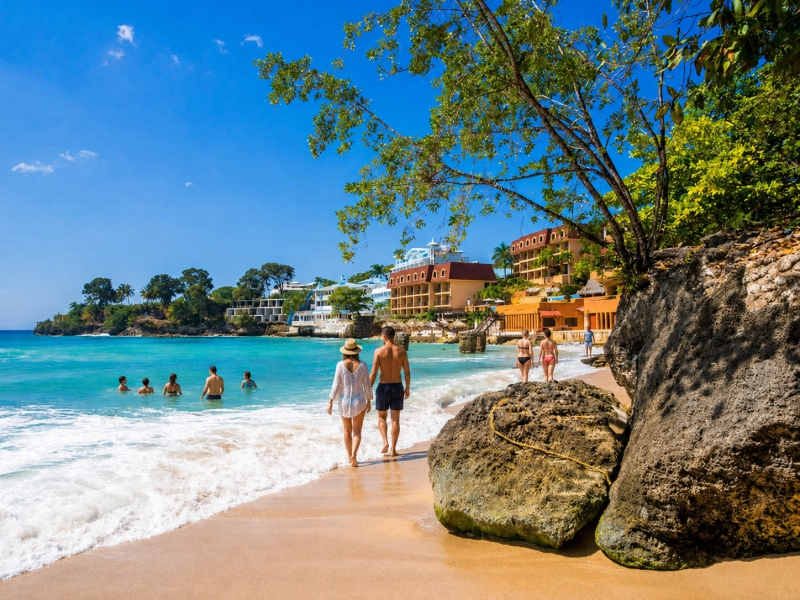
If you prefer waves to wind, head to Playa Encuentro, just west of town. Several surf schools work there, and the morning is usually the best time, before the wind picks up and roughens the water. The breaks are over reef, which means the bottom can be shallow and sharp in places. Beginners should stay with an instructor and wear reef booties if recommended.
Even if you do not surf, Encuentro is worth a visit at sunrise or early morning to watch the line-up from the shore. Bring water and sunscreen, because shade and services are limited.
Food and nightlife on the sand
When the sun goes down, Cabarete changes pace. Restaurants put tables right on the beach, and you can choose between fresh fish, Dominican plates, pizza, sushi and international menus. It is one of the few places on the north coast where you can easily eat dinner by candlelight a few steps from the water.
Later, several beach bars play music and turn into informal dance floors, especially on weekends. The scene is casual: sandals and shorts are perfectly fine. As anywhere, keep an eye on your drinks and belongings, and use a known driver or a transport you trust to get back to your hotel late at night.
If you want to explore the island’s flavors before or after your trip to Cabarete, our guide to food and drink in Puerto Plata explains which local dishes to try.
Day trips from Cabarete
Cabarete’s location makes it a convenient base for the eastern half of the north coast and for a few classic Puerto Plata excursions.
| Trip | Why go | Plan for |
|---|---|---|
| Sosúa | Calm bay, snorkeling, small town | Half day |
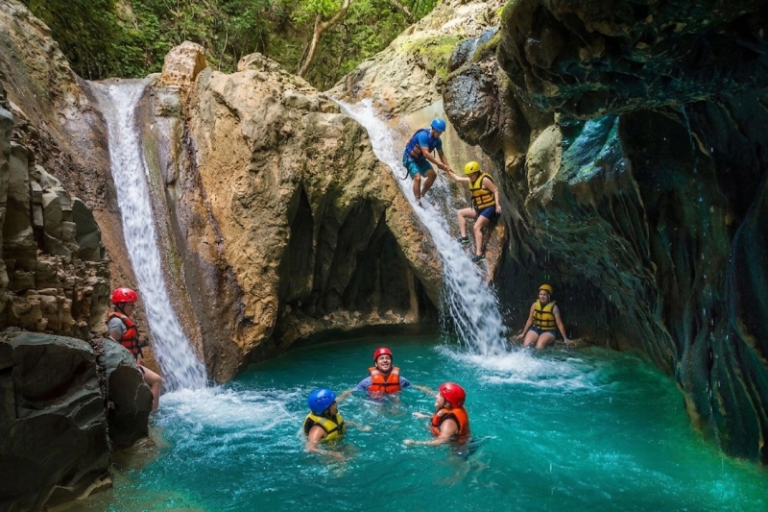
| Damajagua waterfalls | Climb and slide down natural pools | Most of the day |
| Puerto Plata city | Victorian center, fortress, cable car | Most of the day |
| Río San Juan and Playa Grande | Lagoon boat ride, dramatic beach | Long day trip |
| Samaná Peninsula | Whale watching in season, beaches | Long day or overnight |
The Damajagua waterfalls and Puerto Plata city tour combines two of those in one outing. If you plan to continue your trip to the peninsula, see the options for transfers to Samaná and Las Terrenas.
Nature lovers can also ask about El Choco National Park, on the edge of town, known for caves and freshwater pools. Access, guides and opening times can change, so confirm before you go.
Getting to Cabarete
The closest airport is Puerto Plata’s Gregorio Luperón International (POP), which sits between Puerto Plata and Cabarete. Many visitors arrange a private driver from the airport so they can go straight to their hotel with their boards and bags. Graceland Tours offers private transfers from Puerto Plata airport, and it can also pick you up at other Dominican airports if your flight lands elsewhere.
Cruise passengers can visit Cabarete too, but it is further from the ports than Sosúa. Leave ample margin for traffic and confirm your all-aboard time before setting out.
Frequently asked questions
Is Cabarete good for swimming?
You can swim in the main bay, especially in the morning, but the area is shared with kiters and windsurfers and can be choppy. For calmer swimming, Sosúa is a better choice.
Can a complete beginner learn to kitesurf in Cabarete?
Yes. Many schools specialize in first-timers and start with land training. Plan for several sessions over a few days rather than a single lesson.
Is Cabarete suitable for families?
Yes, with some planning. Families enjoy watching the kites, beach dining and day trips. Nightlife is lively on weekends, so choose a hotel away from the bars if you want quiet evenings.
Keep reading
All articles
Amber Cove Cruise Port Guide: How to Spend Your Day Ashore
What is inside Amber Cove, how much you can realistically fit into one port day, and how to…
Damajagua Waterfalls: A First-Timer and Family Guide
Jumping, sliding and swimming through the 27 Charcos of Damajagua: what really happens on the visit and how…

Taino Bay Cruise Port Guide: Puerto Plata from the City Harbor
Taino Bay puts your ship in Puerto Plata's own harbor. Here is what is inside the terminal, what…